 Izstāžu iela 11, Valdlauči, Ķekavas novads, LV-1076
  +371 254 10 225
 info@kulmen.lv
Electric vehicle charging solutions
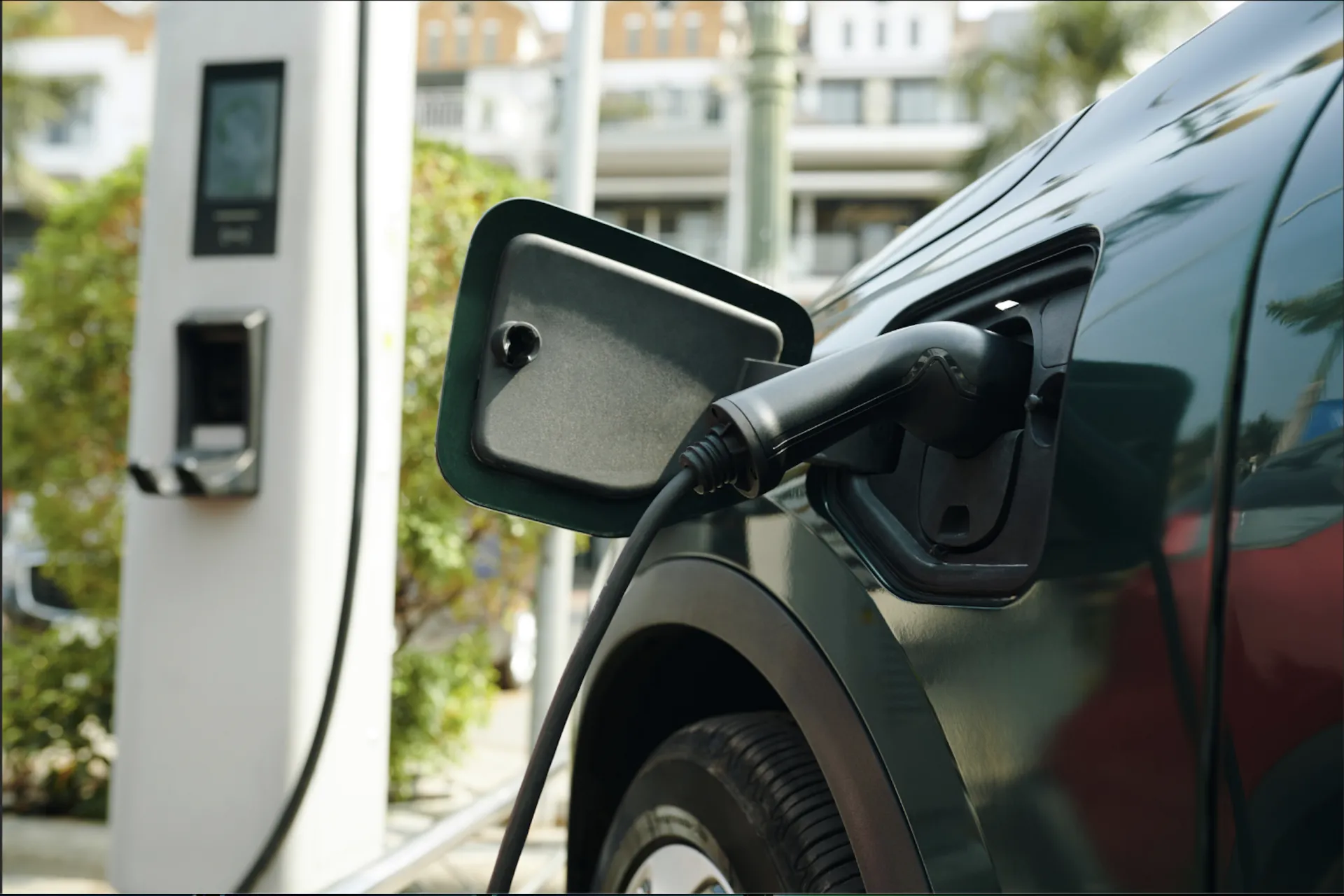
SIA KULMEN installs electric vehicle charging stations and constructs the electrical infrastructure required to operate them. The solution is developed for the parking location, building supply and charging pattern instead of selecting equipment solely by its maximum rated power.
A charging point can be installed at a private home, apartment building, office, guest parking area, retail property or production site. Each setting has different user numbers, access requirements, parking periods, accounting needs and opportunities to expand the number of stations at a later stage.
The scope may include assessment of the incoming supply and distribution board, a dedicated cable circuit, protective devices, mounting, configuration and functional testing. Dynamic load management can also be considered where charging needs to be balanced with the changing electricity demand of the rest of the building.
KULMEN can assist from the initial consultation and definition of suitable station features through installation and delivery of the agreed records. A useful assessment requires information about the vehicle, available electrical supply, intended parking position and the route between the charging point and the distribution board.
Charging locations and use cases
At a private home, the priorities are usually convenient daily charging, safe cable placement and control of the total household load. An apartment or company car park may also require support for several users, assigned spaces, authorisation and coordinated operation when multiple vehicles charge at the same time.
In a customer-facing or more publicly accessible area, user identification, energy records, remote management and resistance to weather or mechanical impact may also matter. These functions should be clarified before equipment is selected because charging stations differ considerably in their connectivity and management capabilities.
Power, protection and station selection
Suitable charging power depends on the vehicle, available connection, typical daily distance and time spent parked. A higher station rating does not automatically provide faster charging when the car, the building connection or other simultaneous electrical loads impose a lower practical limit.
The technical solution considers cable size and route, spare capacity in the distribution board, suitable protective devices, earthing, communication availability and the mounting environment. Where building demand varies, load management can use the available capacity more effectively by adjusting charging to current site conditions.
From site review to functional testing
The process begins with information gathering and a site review. The distribution board, possible cable route, mounting position and communication conditions are examined before the solution and work boundaries are agreed. If several stations are planned, a phased route for later system expansion can also be considered.
After the infrastructure is prepared, the station is mounted, connected and configured for the selected functions. Final checks cover the electrical parameters, protective measures, charging start and management controls, followed by basic user guidance and delivery of the technical records included in the agreed scope.
Frequently Asked Questions